Upgrade guide
Cooling & Electric Fans
By Jon Cosson — classic-car owner, North Yorkshire, near Thornton-le-Dale
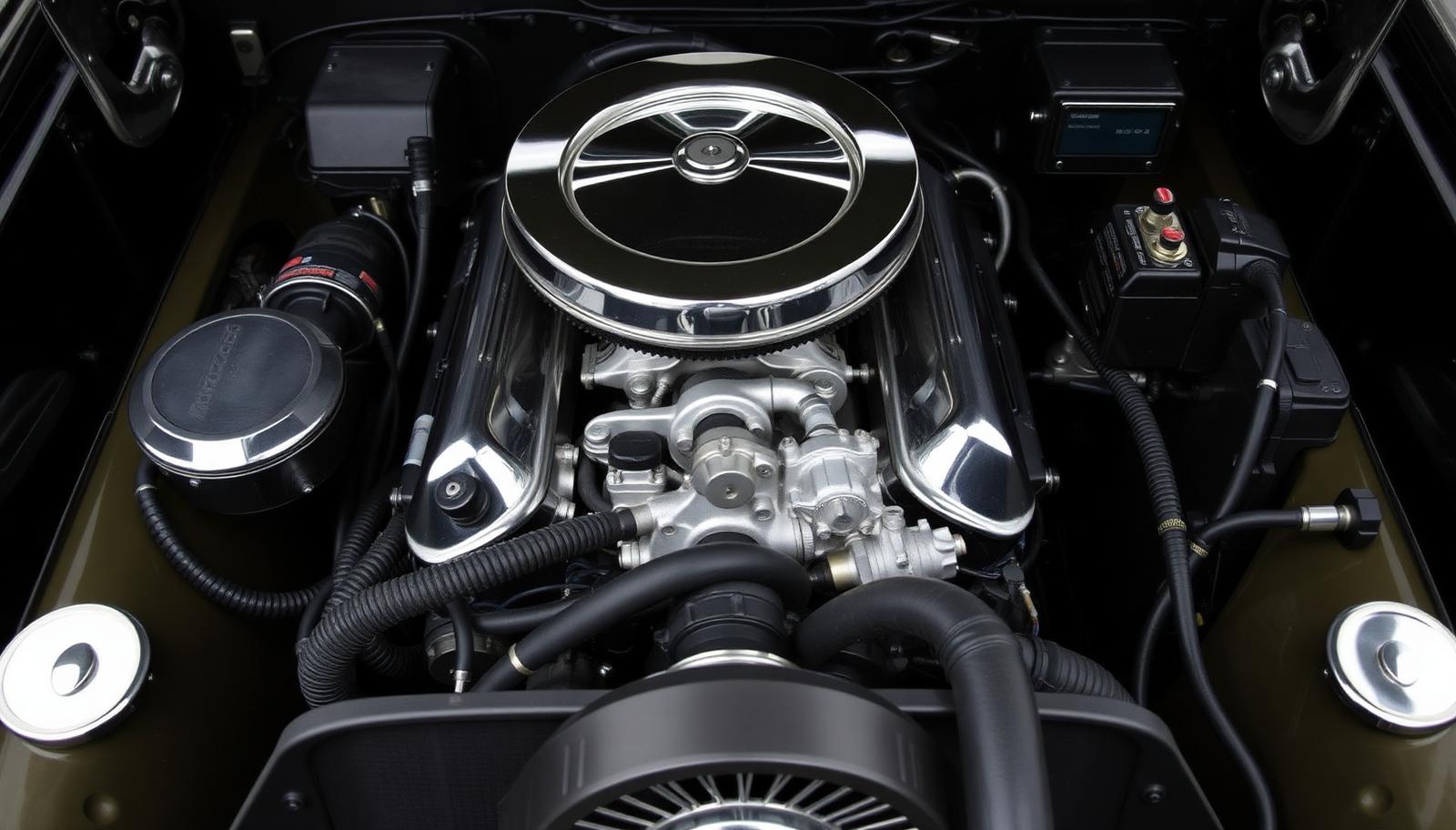
The XK engine is a magnificent thing, but its cooling was designed for 1960s traffic, and a Mk2 will creep towards the top of the gauge in a modern summer queue. A few sensible upgrades keep it calm.
Why they run hot
The original engine-driven fan moves plenty of air at speed but little at idle, exactly when you need it — so temperatures climb in slow traffic. Age does not help: furred-up radiators, tired water pumps and old coolant all reduce the margin.
The upgrades
- Electric fan: the single most effective fix. Kits (Revotec, Kenlowe, Davies Craig) come with the fan, alloy brackets and a temperature sensor (in the hose or a machined thermostat housing), plus an optional override switch. An electric fan pulls air hard at a standstill and cycles automatically; it can supplement or replace the engine fan.
- Radiator: a recore or a modern high-efficiency alloy radiator restores cooling capacity.
- Header tank & thermostat: an alloy header tank and the correct thermostat keep the system stable; fill with a proper corrosion inhibitor (vital on the alloy-head XK).
- Water pump & oil cooler: a healthy pump is essential; some fast-road cars add an oil cooler.
An important knock-on
An electric fan draws roughly twice the current of the old Lucas dynamo — and the dynamo barely charges at idle anyway. Fit a modern alternator to carry the load (see the ignition & electrical guide); it is almost a required partner to an electric fan.
On our car
873 EUT runs a 14-inch electric fan, keeping temperatures steady in traffic. The full specification is in The Build: 873 EUT.
Common questions
- Why does my Jaguar Mk2 overheat in traffic?
- The original engine-driven fan moves little air at idle, so temperatures climb in slow traffic; furred radiators and old coolant make it worse. An electric fan is the usual cure.
- What is the best cooling upgrade for a Mk2?
- An electric fan conversion is the most effective single fix, ideally with a recored or alloy radiator, the correct thermostat and fresh coolant with a corrosion inhibitor.
- Do I need an alternator with an electric fan?
- In practice yes — an electric fan draws about twice the current of the old dynamo, which barely charges at idle, so a modern alternator is strongly recommended.
- Can I keep the engine-driven fan?
- You can run an electric fan alongside the original fan or replace it; many owners remove the engine fan once the electric fan proves adequate, freeing a little power and reducing noise.