Knowledge base
Blue Smoke: What It's Telling You
By Jon Cosson — classic-car owner, North Yorkshire, near Thornton-le-Dale
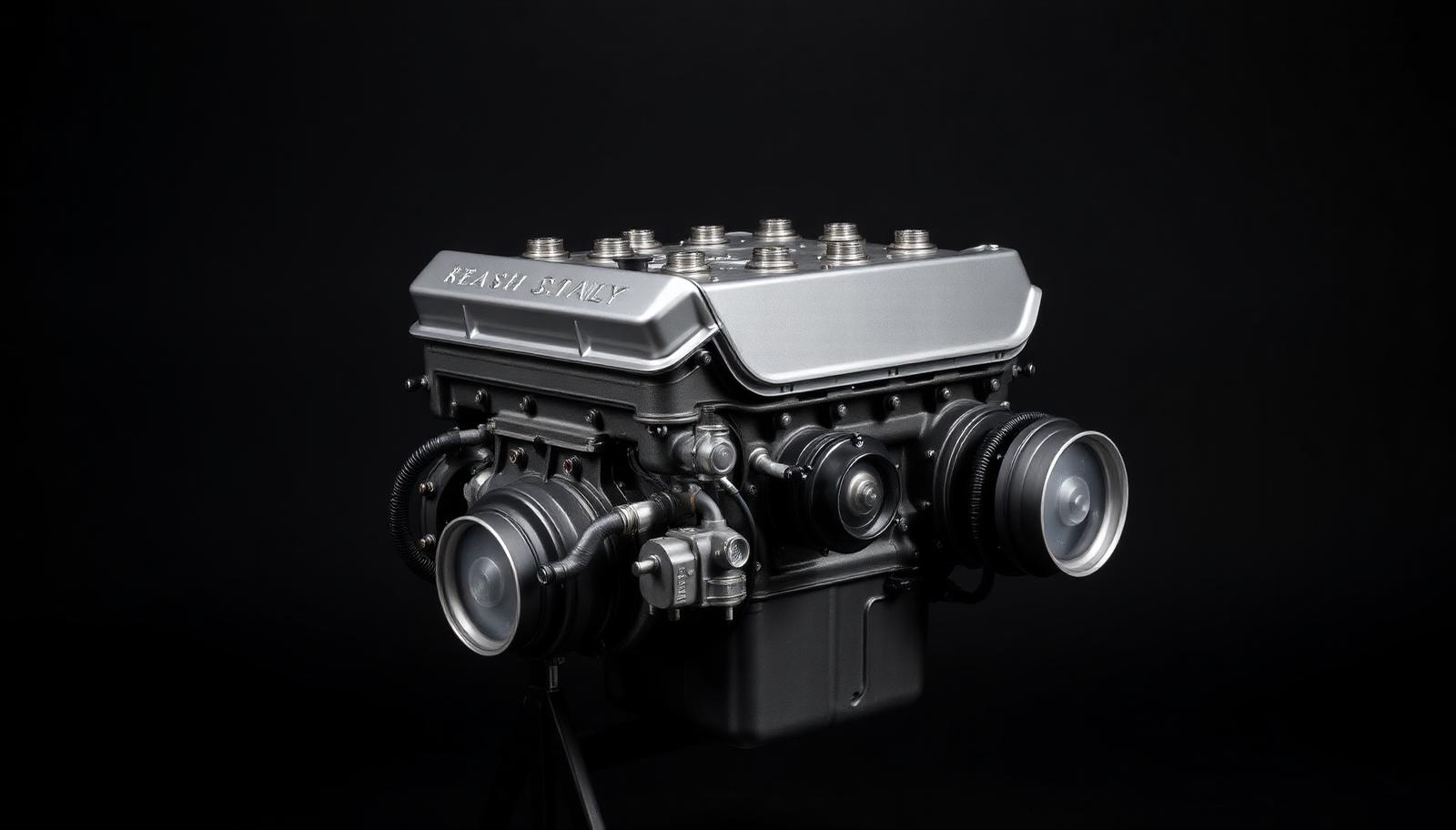
Blue smoke from an XK engine means it is burning oil — but where, when and how much tells you whether it's a cheap fix or a rebuild.
When does it smoke?
- Blue smoke on the overrun (lifting off, or a trailing throttle) most often means worn or hardened valve-stem oil seals and guides — oil drawn down the stems. On the XK, worn valve guides are a known consequence of past overheating. Often a top-end job, not a full rebuild.
- Blue smoke on start-up that clears is often valve-stem seals too.
- Blue smoke under load, with high oil use, points lower — worn bores and rings, the rebuild end.
How much is too much?
A faint puff on the overrun on a well-used classic is common. Heavy, constant smoke, or noticeable oil consumption between changes, is real wear.
What to check alongside
Compression, oil use and the oil pressure picture together tell you whether it's a top-end tidy or a bottom-end rebuild. Keeping the engine cool prevents much of the valve-guide wear — see why they overheat in traffic.
Set-ups vary by car, so confirm any figures and procedures against your workshop manual or with the owners' clubs.
Common questions
- Why does my Jaguar Mk2 blow blue smoke?
- Blue smoke is burning oil. On the overrun it usually means worn valve-stem seals and guides; under load with high oil use it points to worn bores and rings.
- Is blue smoke on the overrun serious?
- A faint puff on a well-used XK is common and often just valve-stem seals, a top-end job. Heavy, constant smoke or high oil consumption suggests bore and ring wear.
- What causes worn valve guides on an XK engine?
- Past overheating is a common cause, which is another reason to keep the cooling system healthy.
- How do I tell top-end from bottom-end smoke?
- Timing and oil use: overrun or start-up smoke without heavy oil consumption is usually top-end; smoke under load with high oil use points to the bores.