Knowledge base
Oil Pressure: What's Normal and When to Worry
By Jon Cosson — classic-car owner, North Yorkshire, near Thornton-le-Dale
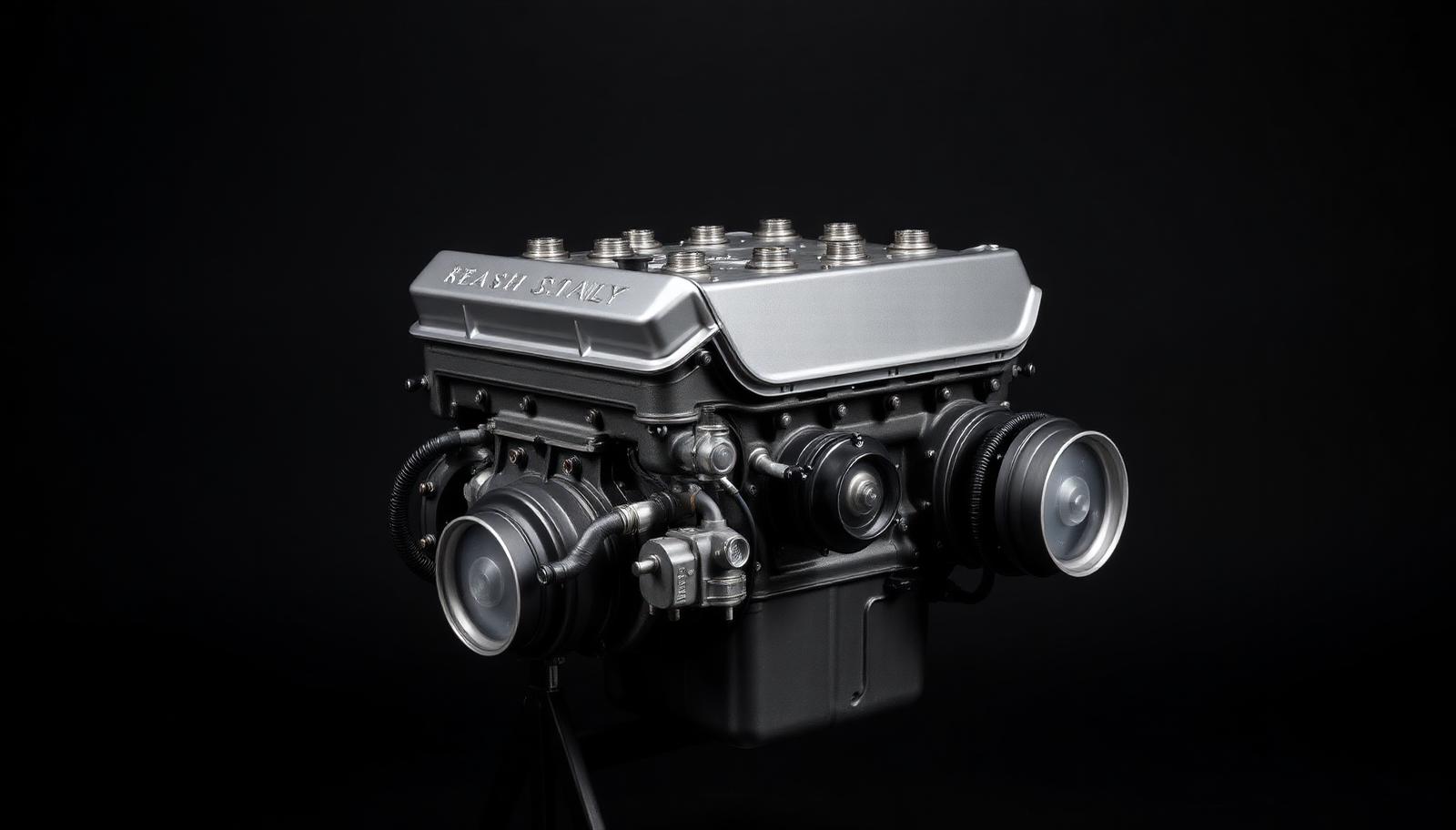
Nothing worries a Mk2 owner more than a low oil-pressure needle — and nothing is more often misread. Here is what a healthy XK should show, what a low reading really means, and how to tell a cheap fix from an expensive one before you spend a penny.
What's healthy
A healthy XK six shows around 40 psi or more hot at a cruise, lower at hot idle (that is normal), rising promptly as you open the throttle. Cold, it reads high until the oil warms. Watch the hot reading and, just as important, that it responds to revs.
Why it reads low — cheapest first
- A tired gauge or sender. Old mechanical gauges and (especially) electric senders drift and read low — the single most common cause of a "low oil pressure" scare, and the first thing to rule out by teeing in a known-good mechanical gauge.
- The oil-pump relief valve. A stuck or worn relief valve, or weak spring, drops pressure — an accessible, engine-in fix.
- The oil pump itself — worn, replaceable with the engine in the car.
- Worn bearings — genuine main/big-end wear is the serious end, and least likely if the engine is otherwise quiet.
The give-away
Low pressure that still rises crisply with revs, on a quiet engine, most often points to the gauge, sender or relief valve. Low pressure that does not respond to revs, with a knock, is the one to take seriously.
Oil matters
The XK was designed for a thick oil; a classic-grade 20W-50 gives the right pressure. Modern thin oils read low, especially hot and at idle.
The sensible order
Verify true pressure with a mechanical gauge before changing anything; then work relief valve → pump → (last, unlikely) bearings. For how the engine is put together, see the XK engine explained, and for how one sorted car behaves in use, 873 EUT.
Set-ups vary by car, so confirm any figures and procedures against your workshop manual or with the owners' clubs.
Common questions
- What oil pressure should a Jaguar Mk2 have?
- A healthy XK engine shows around 40 psi or more hot at a cruise, lower at hot idle, rising promptly with revs. Cold pressure reads higher until the oil warms.
- Why is my Mk2's oil pressure low?
- Most often a tired gauge or sender, or the oil-pump relief valve — both cheap. Genuine low pressure from a worn pump or bearings is less common; verify true pressure with a mechanical gauge first.
- Is low oil pressure at idle normal?
- Some drop at hot idle is normal; what matters is healthy pressure at a cruise and a prompt rise when you open the throttle. A reading that won't rise with revs is the concern.
- What oil should I use in a Jaguar Mk2?
- A classic-grade 20W-50 suits the XK engine, which was designed for thicker oil; modern thin oils can read low, especially hot and at idle.