Knowledge base
Timing Chains and Top-End Rattle
By Jon Cosson — classic-car owner, North Yorkshire, near Thornton-le-Dale
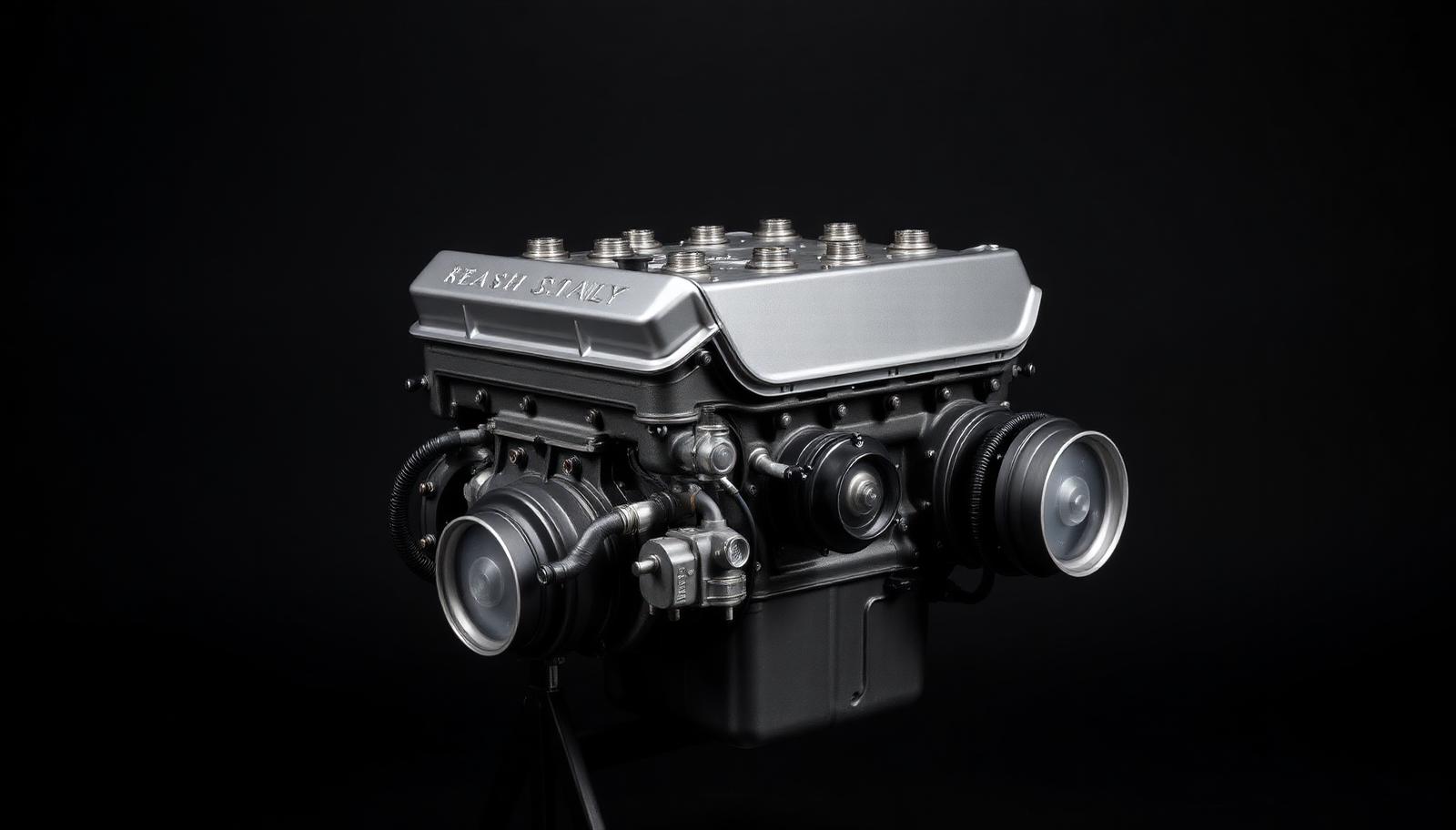
A rattle from the front of an XK engine, especially on start-up, usually means the timing chains — worth understanding before the noise becomes a problem.
Two chains
The XK straight-six drives its twin overhead camshafts by two chains — lower and upper. The lower has the tensioner; the upper chain's tension is set by hand and, if left slack, is a common source of rattle and wear. The chains are generally long-lived when maintained, but stretch with age and mileage.
The rattle
- A rattle on cold start-up that quietens as oil pressure comes up points to a worn chain or tensioner — plan to attend to it.
- A persistent warm rattle at idle is more urgent.
Because the tensioner relies on oil pressure, healthy oil pressure helps keep the chains quiet.
Setting and renewing
The upper chain's tension should be set carefully; a stretched chain, worn tensioner or guides are renewed as a set — far cheaper as maintenance than after it jumps.
Keeping it right
Regular oil changes, healthy oil pressure and setting the upper chain tension keep the top end sweet.
Set-ups vary by car, so confirm any figures and procedures against your workshop manual or with the owners' clubs.
Common questions
- Why does my Jaguar Mk2 rattle on start-up?
- Usually the timing chains: a rattle on cold start that quietens as oil pressure rises points to a worn chain or tensioner. A persistent warm rattle is more urgent.
- How many timing chains does the XK engine have?
- Two — a lower and an upper chain driving the twin overhead camshafts; the lower has the tensioner, and the upper chain's tension is set by hand.
- Are XK timing chains a big problem?
- They are generally long-lived when maintained, but stretch with age; setting the upper chain's tension and keeping oil pressure healthy keeps them quiet, and renewing them is cheaper as maintenance than after a failure.
- Does oil pressure affect the timing chains?
- Yes — the tensioner is oil-pressure-fed, so healthy oil pressure helps keep the chains properly tensioned and quiet.