Knowledge base
Oil Leaks and the Rear Crank Seal
By Jon Cosson — classic-car owner, North Yorkshire, near Thornton-le-Dale
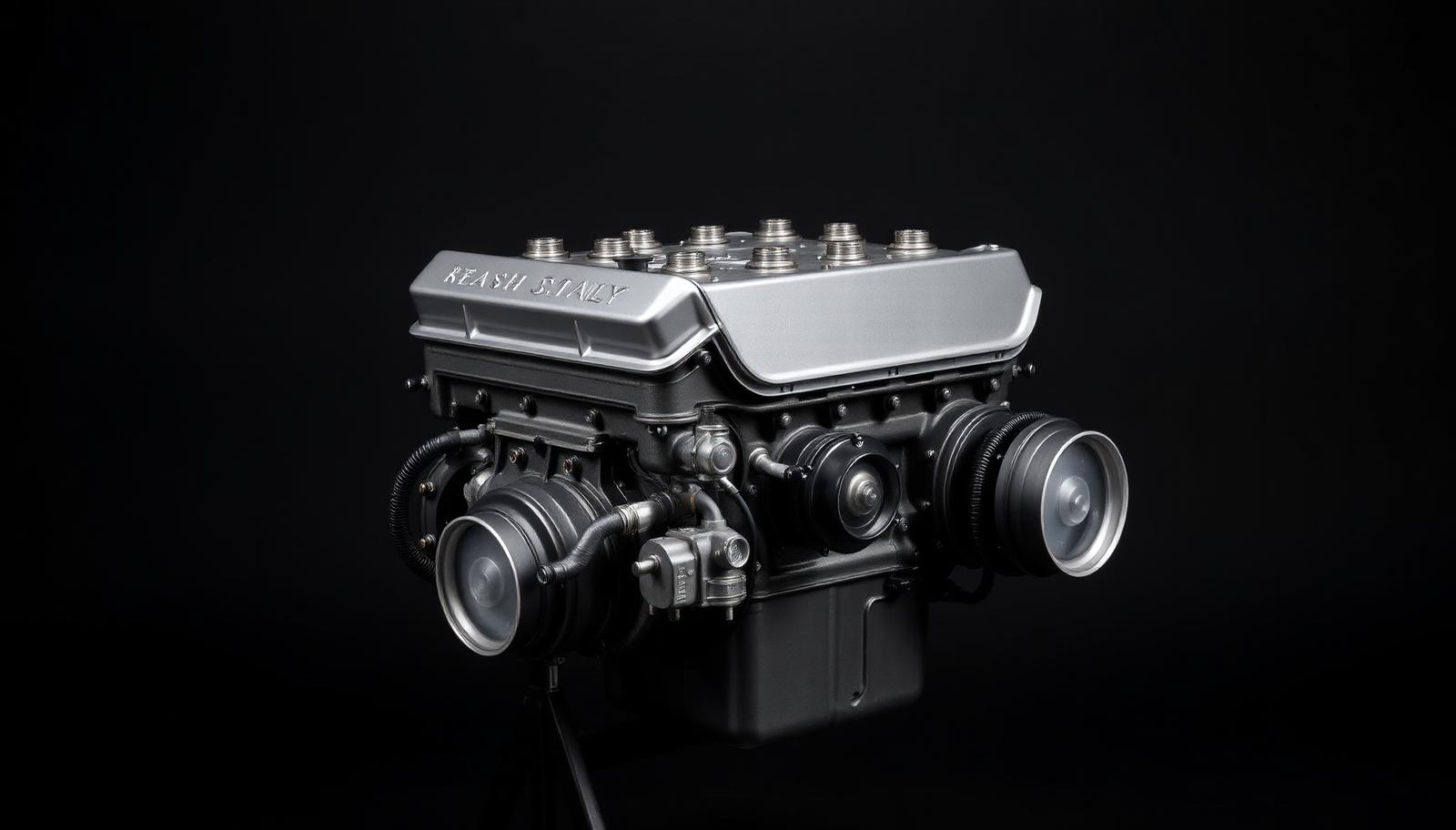
A classic Jaguar that marks its territory is almost a cliché — the XK engine leaks oil, and one spot in particular. Here is where it comes from, what matters and what doesn't.
The rear crankshaft seal
The XK's best-known leak is the rear crankshaft seal — an old-design (originally rope/scroll-type) seal at the back of the engine that weeps, leaving the tell-tale drip under the bellhousing. It is common, largely a nuisance, and — being at the back of the crank — curing it properly is an engine- or gearbox-out job, so many owners manage a minor weep.
The other usual suspects
Cam covers and the sump gasket (common, far easier to cure), the timing cover and front seal, and breather and oil-filter housing joints. Most leaks are age-hardened gaskets, cheap in themselves.
Nuisance vs problem
A minor weep is a classic-car fact of life; keep the oil topped up and an eye on it. Watch instead for a leak heavy enough to drop the oil level (and pressure), oil reaching the clutch (causing slip), or a sudden change.
Living with it
Fix the easy leaks, keep the engine clean so you can see what's new, and decide whether the rear seal is worth an engine-out cure or simply managing. If the level and the needle are falling together, read oil pressure: what's normal and when to worry.
Set-ups vary by car, so confirm any figures and procedures against your workshop manual or with the owners' clubs.
Common questions
- Why does my Jaguar Mk2 leak oil from the back of the engine?
- The XK's rear crankshaft seal is an old design that commonly weeps; because it sits at the back of the crank, curing it properly is an engine- or gearbox-out job, so many owners manage a minor leak instead.
- Is an oil leak on a Mk2 serious?
- A minor weep is normal for the XK; watch for leaks heavy enough to drop the oil level, oil reaching the clutch, or a sudden change — those need attention.
- Where do Jaguar Mk2s leak oil?
- Most commonly the rear crankshaft seal, the cam covers and the sump gasket, plus the timing cover and breather joints; most are age-hardened gaskets that are cheap to renew.
- Can I fix the rear crank seal without removing the engine?
- Not easily — it sits at the back of the crankshaft, so a proper cure means removing the engine or gearbox; many owners live with a minor weep instead.