Knowledge base
Jaguar Mk2 vs 240 and 340: The Run-Out Cars Explained
By Jon Cosson — classic-car owner, North Yorkshire, near Thornton-le-Dale
Mention a 240 or a 340 and someone will tell you it is "not a proper Mk2". Mechanically, that is nonsense — and in one respect the 240 is the better car. Here is what actually changed, and why the run-out models are one of the shrewdest ways into the shape.
What happened in 1967
In September 1967 Jaguar rebadged the compact saloon range. The 2.4 became the 240, the 3.4 became the 340, and the 3.8 was dropped from the line-up — by then the XJ6 was coming and the big-engined compact had had its day. The cars ran on into 1968–69 as value models, priced to keep the showroom busy.
What changed outside
The most obvious difference is the bumpers. The heavy, deep chrome blades of the Mk2 gave way to slimmer bumpers with smaller overriders, and the rear treatment was slightly reshaped to suit. Opinion divides sharply: some find the slim bumpers cleaner and more modern, others think they rob the car of its stately presence. It is genuinely a matter of taste, and it is the single biggest reason the run-out cars sell for less.
What changed inside
Cost had to come out somewhere, and it came out of the trim. Leather gave way to Ambla leathercloth on the seats and cheaper carpet replaced the deep wool underfoot. The dashboard architecture, the wood, the instruments and the general 1960s gentleman's-club atmosphere all survive — it is a downgrade in materials, not in character, and many cars have since been retrimmed in leather anyway.
What got better
Two things, and they matter more than the bumpers.
First, the gearbox. Every 240 and 340 left the factory with the all-synchromesh Jaguar four-speed manual as standard — no Moss box, with its unsynchronised first gear and slow, deliberate shift — or the Borg-Warner BW35 automatic as the option. Anyone who has driven both manuals back to back knows how much difference this makes in traffic.
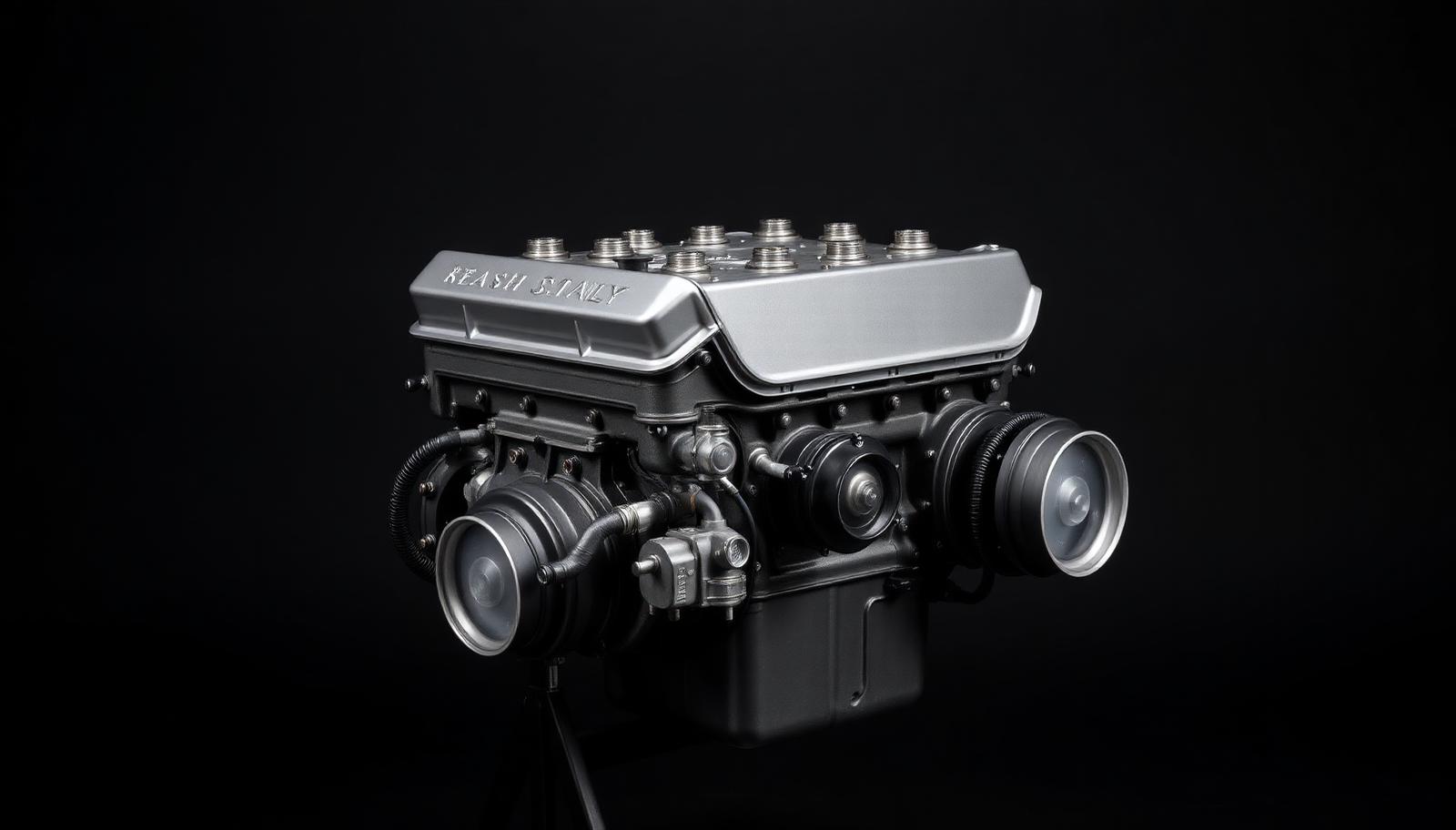
Second, and specific to the 240: the engine was properly reworked. It gained a straight-port cylinder head of the E-type type, twin HS6 SU carburettors, a better inlet manifold, improved cooling and twin exhausts. The result was around 133bhp and, for the first time in the 2.4-engined family, a genuine 100mph-plus car. The 240 is not the wheezy poor relation the "2.4" badge suggests; it is the version Jaguar should have built all along.
Are they real Mk2s?
In every way that affects how the car drives, yes. Same monocoque, same twin-cam XK six, same suspension and axle, same cabin layout, same rust traps to inspect. The differences are bumpers, trim materials and badging — and, in the 240's case, a better engine and gearbox than the Mk2 2.4 it replaced.
Why they are a bargain route in
Because the market pays for the fat bumpers and the leather, 240s and 340s are generally cheaper than equivalent Mk2s. That buys you either a sounder shell for the same money or the same car for less — and since condition is what really governs the cost of ownership, that is a meaningful advantage. They also take the same upgrades: brakes, suspension, steering and gearing all apply unchanged. If you are shopping, use the buying guide exactly as you would for a Mk2, and judge the car in front of you rather than the badge on the boot.
Specifications varied through production and by market, so confirm details for a particular car against the workshop manual, its heritage certificate and the owners' clubs.
Common questions
- What is the difference between a Jaguar Mk2 and a 240 or 340?
- From September 1967 the 2.4 and 3.4 were rebadged 240 and 340 with slimmer bumpers, a slightly reshaped rear and simpler interior trim to cut the list price; the 3.8 was dropped.
- Is the Jaguar 240 faster than the Mk2 2.4?
- Yes. The 240 gained a straight-port cylinder head, twin HS6 carburettors, a better manifold and twin exhausts for about 133bhp — the first 2.4-engined car of the family to top 100mph.
- Do the 240 and 340 have a better gearbox?
- They came with the all-synchromesh Jaguar manual as standard rather than the old Moss box, with the Borg-Warner BW35 automatic optional — a real improvement to drive.
- Are 240s and 340s cheaper than Mk2s?
- Generally yes, because of the slimmer bumpers and simpler Ambla trim, which makes them a cost-effective route into the same car mechanically.