Knowledge base
Are Jaguar Mk2s Reliable?
By Jon Cosson — classic-car owner, North Yorkshire, near Thornton-le-Dale
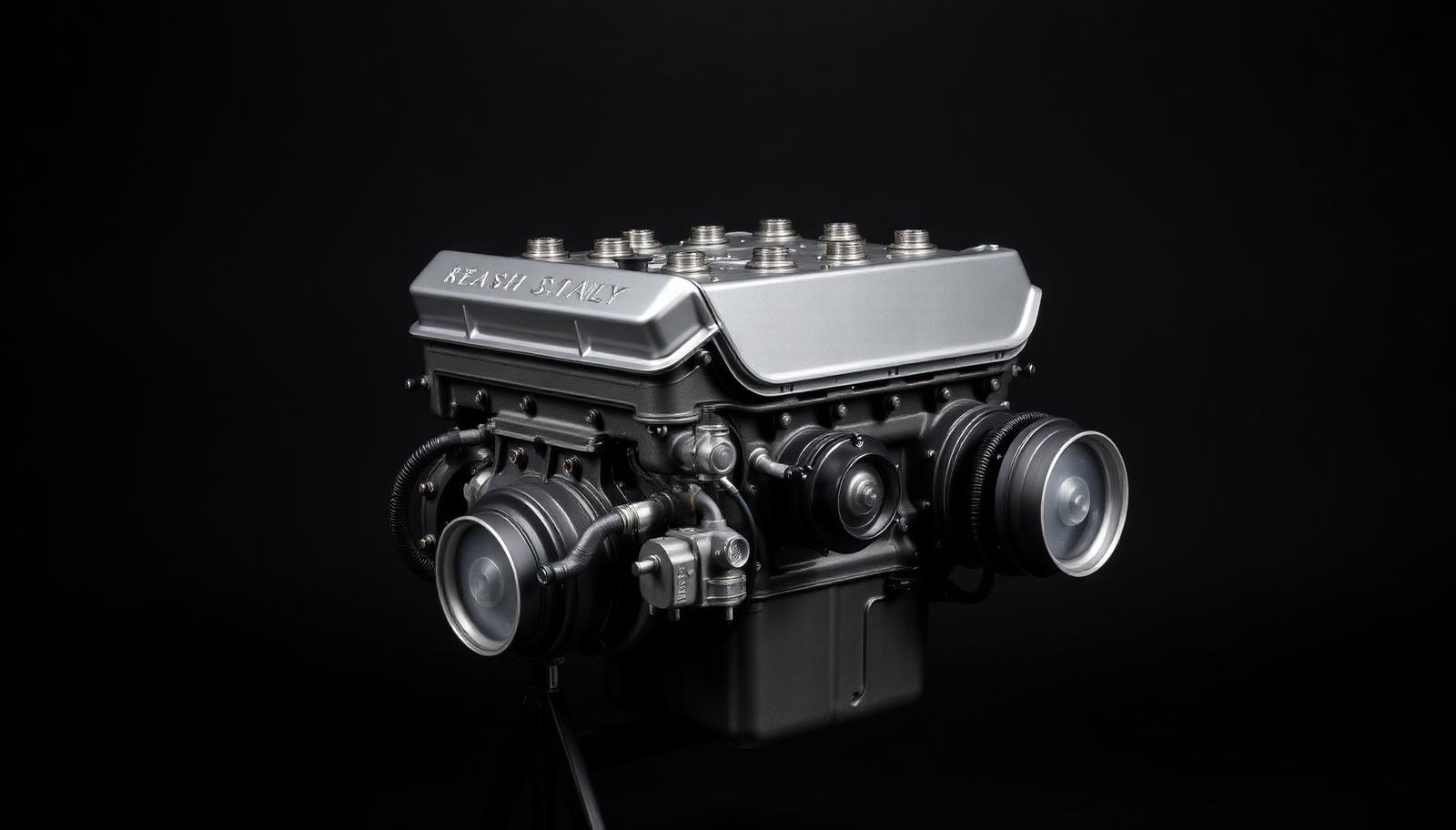
"Reliable" means something different for a 1960s saloon than for a modern car, but the honest answer is more reassuring than the reputation of British classics suggests. A sound, well-sorted Mk2 will take you across the country and back without drama. What it will not tolerate is neglect.
The good news
The XK engine is genuinely tough. Designed for endurance racing and built with generous bearings, a robust bottom end and a cast-iron block, it will run for very high mileages when kept cool, clean and properly oiled. It is not a highly stressed unit in Mk2 tune, and it gives warning before it fails — noise, smoke or pressure change — rather than dying without notice.
Parts supply is excellent. Almost everything mechanical is available new, and much of it off the shelf. That changes the character of a breakdown completely: a failure becomes an inconvenience and a week's wait, not the end of the car.
Club and specialist support is superb. Between the owners' clubs and the long-established Jaguar specialists, virtually every fault the model can develop has been diagnosed, documented and discussed. You are never the first person to meet the problem.
The real watch-points
Every Mk2 owner should know these five, and each has its own article here:
- Oil pressure — what is normal, and how often a low reading is really the gauge or sender.
- Overheating in traffic — the standard car's weakest point in modern conditions, and the most worthwhile to cure.
- Oil leaks and the rear crank seal — mostly nuisance, occasionally significant.
- Hot restarts — heat-soaked fuel, not a fault, and easily misdiagnosed.
- Timing chains and top-end rattle — cheap as maintenance, expensive as a failure.
Beyond the engine, the honest list continues: old wiring and poor earths cause more mysterious faults than any component; the brakes and steering need to be properly set up to inspire confidence; and the structure — not the mechanicals — is what actually determines whether a Mk2 has a future.
Reliability you can buy
The most effective reliability improvements are unglamorous and entirely reversible. Electronic ignition and an alternator conversion remove points, condensers and a marginal dynamo from the equation, and a fused, sensibly earthed loom eliminates whole categories of intermittent fault. An electric cooling fan fixes the temperature gauge creeping up in a queue. Modern ethanol-rated fuel lines stop the supply side deteriorating unseen.
The verdict
Buy a structurally sound car, sort it properly, and a Mk2 is a reliable classic — one you can plan a long weekend around. A well-executed fast-road car like 873 EUT is better still, because most of the fast-road recipe happens to address exactly the areas where the standard car is weakest. The unreliable Mk2s are the neglected ones, and that is a choice made at purchase, not a property of the model.
Cars vary, so confirm any figures and procedures against your workshop manual or with the owners' clubs.
Common questions
- Are Jaguar Mk2s reliable classics?
- A sound, well-maintained Mk2 is a dependable classic. The XK engine is tough and long-lived, parts supply is excellent and club support is strong; most trouble comes from neglect rather than fragility.
- What goes wrong on a Jaguar Mk2?
- The usual watch-points are cooling in slow traffic, oil pressure and oil leaks, timing-chain rattle and hot restarts — all well understood, and all manageable.
- Can you use a Jaguar Mk2 as a daily car?
- You can, but few owners do. Fuel consumption, no modern safety systems and winter salt argue against it; a well-sorted Mk2 is happiest as a regularly used weekend and touring car.
- Do upgrades make a Mk2 more reliable?
- Yes — electronic ignition, an alternator conversion, an electric cooling fan and modern fuel lines remove the most common causes of roadside trouble without changing the car's character.